A short planning session. We agree which outcomes the fortnight should produce and what each depends on.
Enfield, London · web, mobile, interface and release engineering
Software that keeps time.
Good products are choreographed. Design, code, testing and release each move at their own pace, and they have to meet at the right moment. Nexora is a small software practice that plans those meetings carefully, writes the code, and stays to look after it.
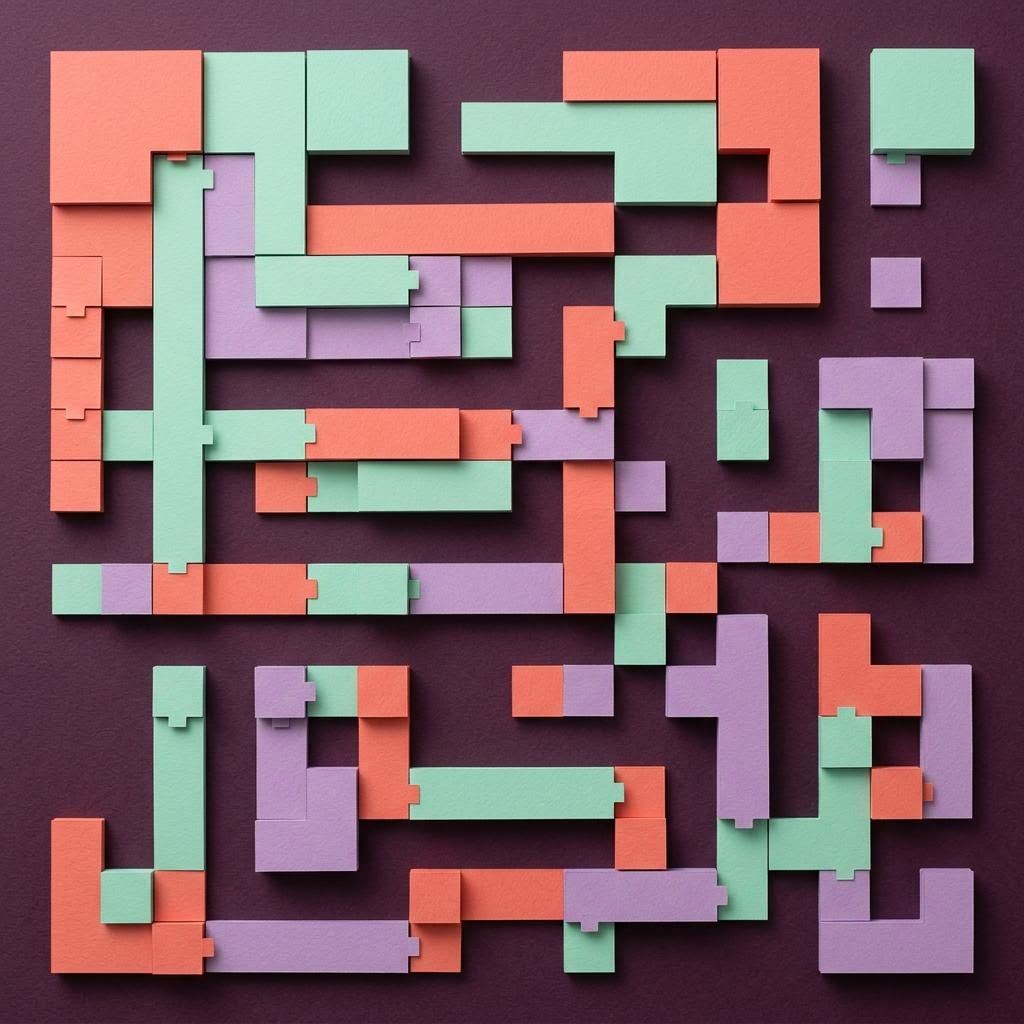
Illustration: four streams of work (design, application code, testing, content) meeting at planned release points.
Most software trouble is not about clever code. It is about timing: a design approved after the build started, an API changed on the morning of release, a store submission nobody planned for.
We start every engagement by drawing the score: who produces what, when it is needed, and where it meets something else. That drawing becomes the plan we build against, and it is shared with you in plain English, not in tickets you have to decode.
This website is written so that you can understand what we do before you speak to us. Every page explains a part of the practice, three small tools let you test your own assumptions, and nothing here asks you to book a call to find out the basics.
Four movements of the practice
- I
Web applications
Customer portals, booking flows, internal tools and content-led sites built on well-understood foundations. We favour server-rendered pages where they serve users better, and bring in client-side frameworks where interaction genuinely needs them.
Mobile and web in detail - II
Mobile apps
iOS and Android apps, either native or from one cross-platform codebase, chosen by the trade-offs of your product rather than our habits. Offline behaviour, notifications and accessibility are designed from the first sprint.
How we choose a platform - III
Interface and experience
Flows, wireframes, prototypes and a component library that the developers actually use. We test with real tasks and treat accessibility as a design requirement, not a final audit.
Interface practice - IV
Publishing and releases
App store submissions, release notes, web deployment pipelines and the documentation that lets someone else take over. A product is not finished until it can be shipped calmly and repeatedly.
Publishing support
A typical fortnight, phrase by phrase
Design and code move together. Designers stay one step ahead; developers raise questions the same day rather than at review.
A working preview on a private link. You click through it, not a slide deck about it.
Feedback is folded in, automated tests are extended, and anything risky is isolated behind a switch.
Release candidate. We run the checklist: accessibility spot checks, error logging, rollback route.
A brief written note: what shipped, what moved, what we learned, and what the next fortnight should hold.
Try a decision before you make it
One of our three studio tools, here on the homepage. The other two, a release rhythm sketch and a page weight budget, are on the tools page. If you allow optional memory in cookie settings, your answers are remembered on this device only.
Tool 01 · illustrative guidance
Platform fit: native, cross‑platform or progressive web app?
Answer five questions. The suggestion is a starting point for conversation, weighted on trade-offs we see repeatedly, not a verdict.
Web appCross‑platformNative
Mobile and web, built to be maintained
We write code that the next developer can read. That means conventional project structures, typed interfaces between front end and back end, automated tests on the paths that matter most, and a README that explains how to run everything locally in under ten minutes.
For the web we work with modern JavaScript and TypeScript, PHP and Python on the server, relational databases, and hosting ranging from shared Hostinger plans to container platforms. For mobile we use Swift, Kotlin, or a cross-platform toolkit when one codebase is the sensible choice.
We will tell you when a simpler option is enough. A five-page site does not need a single-page application, and a small internal tool may not need an app store listing at all.
Interfaces people can finish
Tasks first
We write down the five or six tasks a person must complete, then design the shortest honest route through each one.
Prototype early
Clickable prototypes appear in the first fortnight so that disagreements surface while they are cheap.
Accessible by default
Colour contrast, keyboard paths, focus order, readable type sizes and clear error messages are part of every component.
A shared library
Designers and developers use the same named components, so a button in Figma is the button in code.
Publishing without the Friday panic
Store review guidelines, signing certificates, privacy labels, staged rollouts and release notes all take time. We plan them into the schedule from the start and keep a written checklist for every release, so the last day is routine rather than heroic.
Publishing support- App Store and Google Play submissions and responses to review notes
- Web deployment pipelines with preview environments
- Release notes written for people, not for engineers
- Rollback plans checked before they are needed
- Handover documentation for in-house teams
Delivery standards we hold ourselves to
You can see it working. Every fortnight ends with something you can use, on a link you control.
Estimates come with assumptions. We write down what each estimate depends on, and update it when those assumptions change.
Your code is yours. Repositories live in your account or are transferred to you; we do not hold work hostage.
Security is ordinary work. Dependency updates, least-privilege access and secrets kept out of code are part of every sprint.
We say no early. If something is out of scope or outside our skills, we say so before it costs you money.
After launch, we keep the rhythm
Software needs looking after: operating system updates, browser changes, dependency patches and small improvements requested by users. We offer ongoing support during Monday to Friday, 09:00 to 18:00 UK time, with a support form that asks the right questions so problems can be diagnosed quickly.
Support is arranged per project. We agree in writing what is covered, how urgent issues are flagged, and how quickly we will acknowledge them during working hours. We do not promise round-the-clock cover we cannot honestly provide.
Support and helpNotes worth reading before any project
The company, plainly
NEXORA CODE TECHNOLOGIES LIMITED is a private limited company registered in England. Our registered address is 30 Elmhurst Road, Enfield, England, EN3 5TB. We work remotely with clients across the UK and are reachable by email at code@nexoracodelim.dev, Monday to Friday, 09:00 to 18:00 UK time.
Tell us what you are building, where it is now, and what should be true when it is done. We reply with questions, not a sales pitch.
Start an enquiry